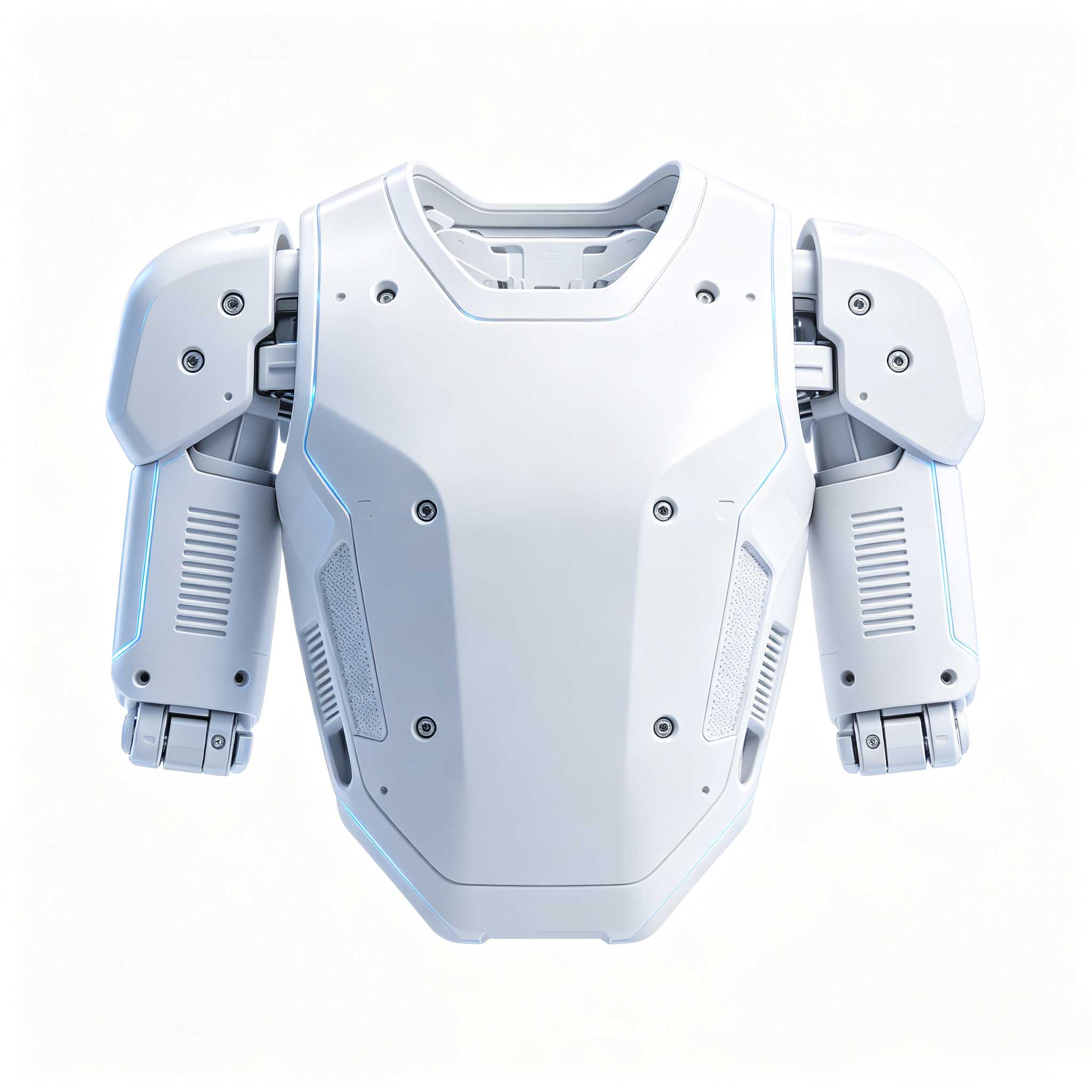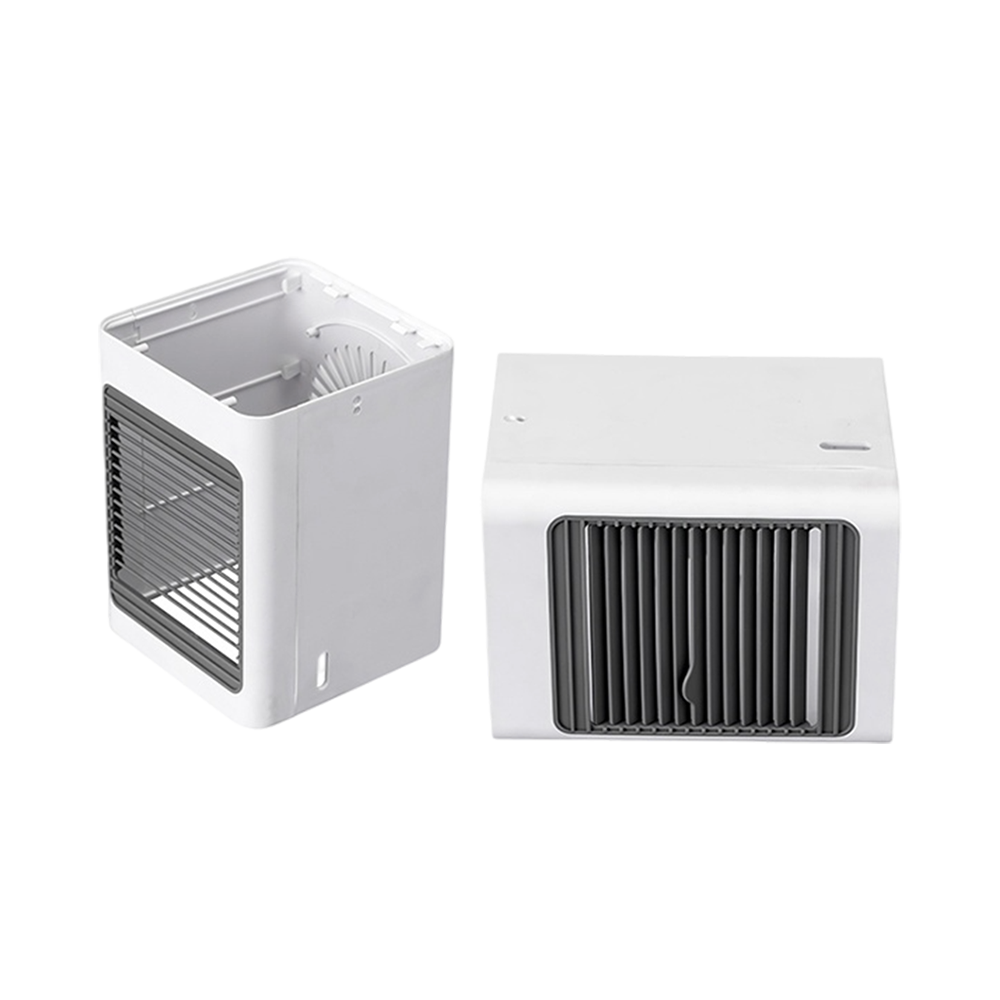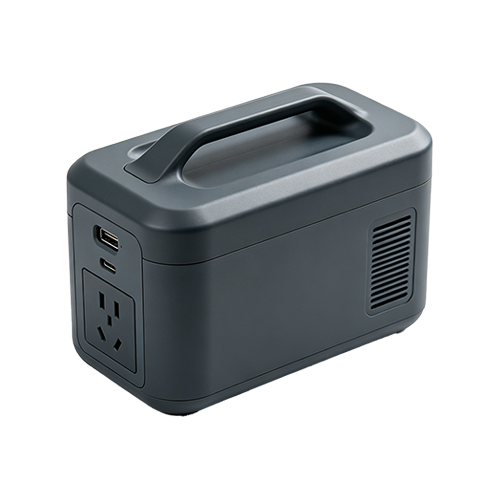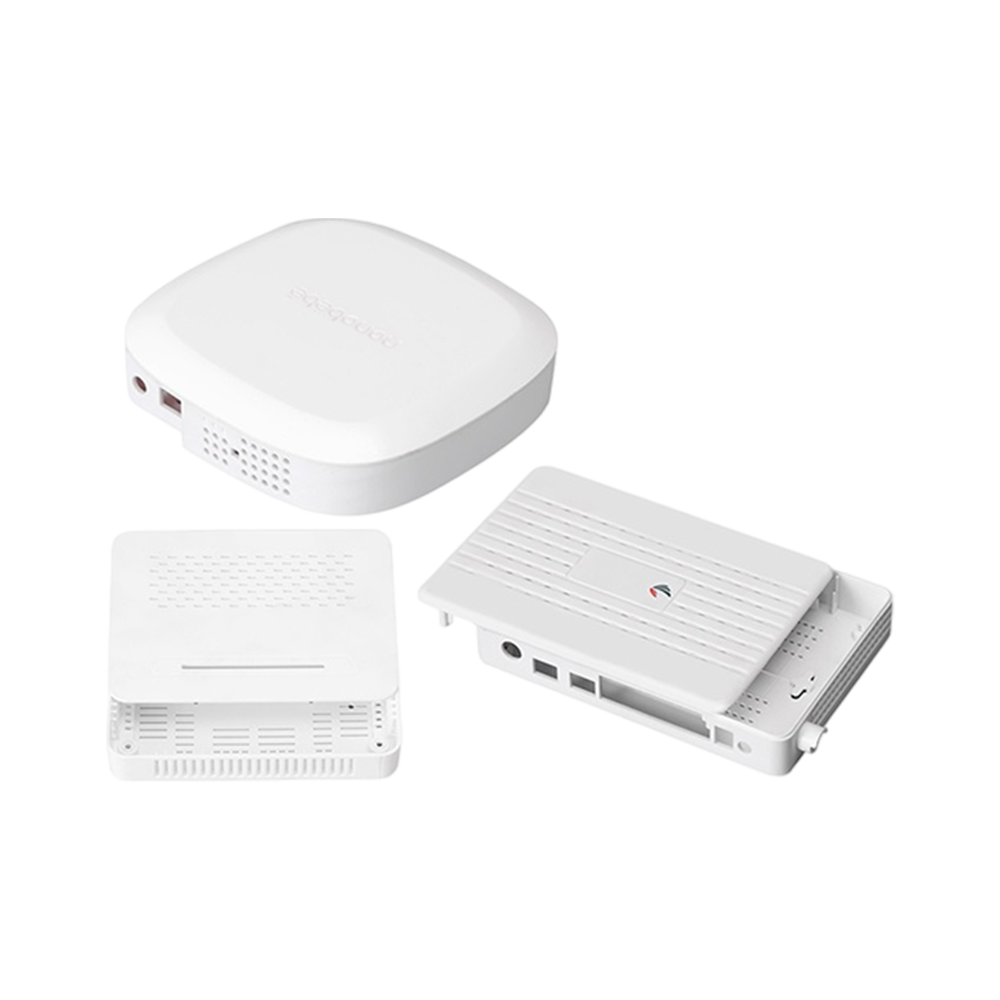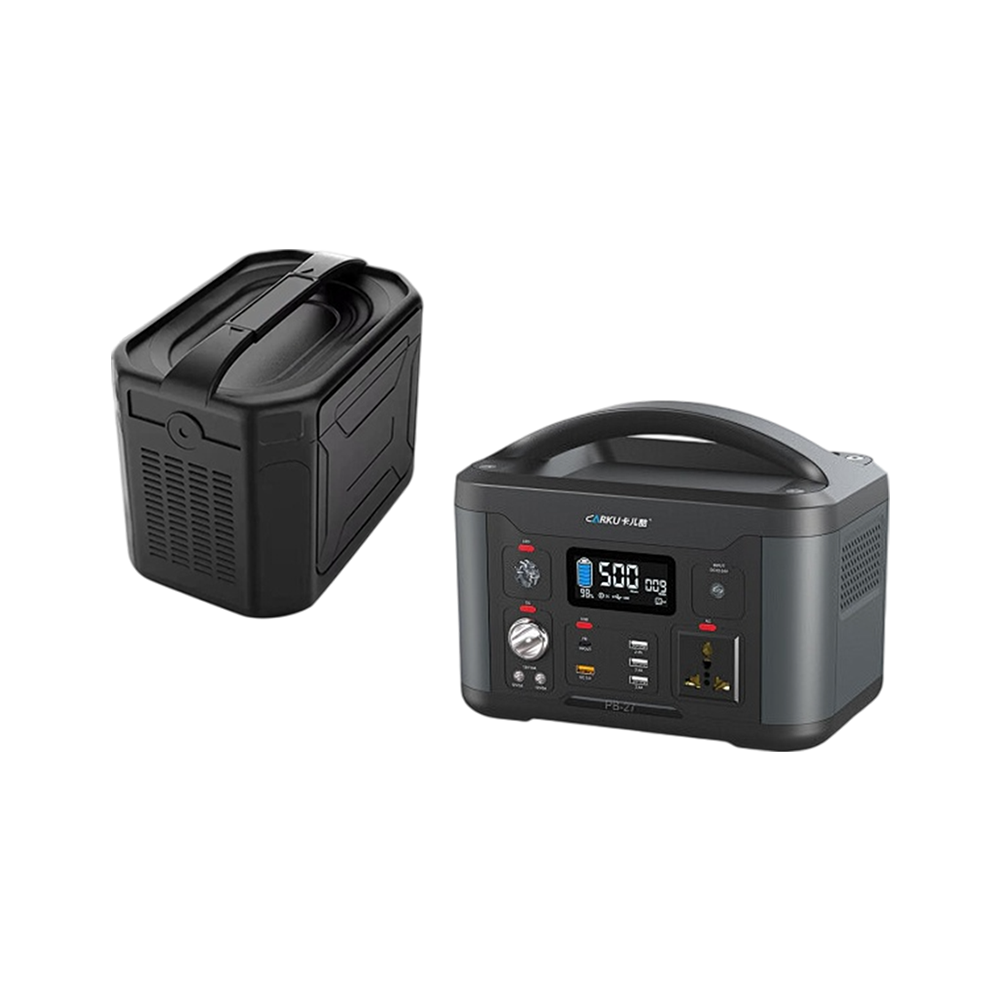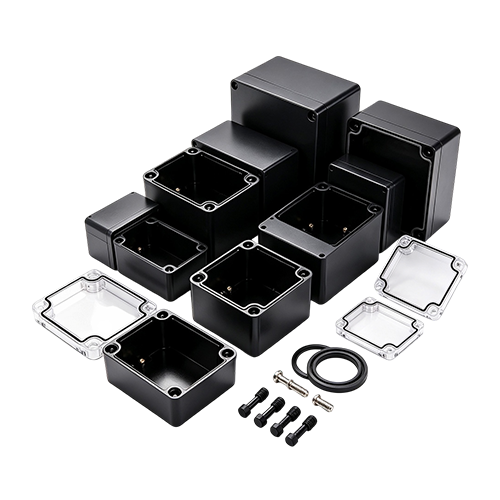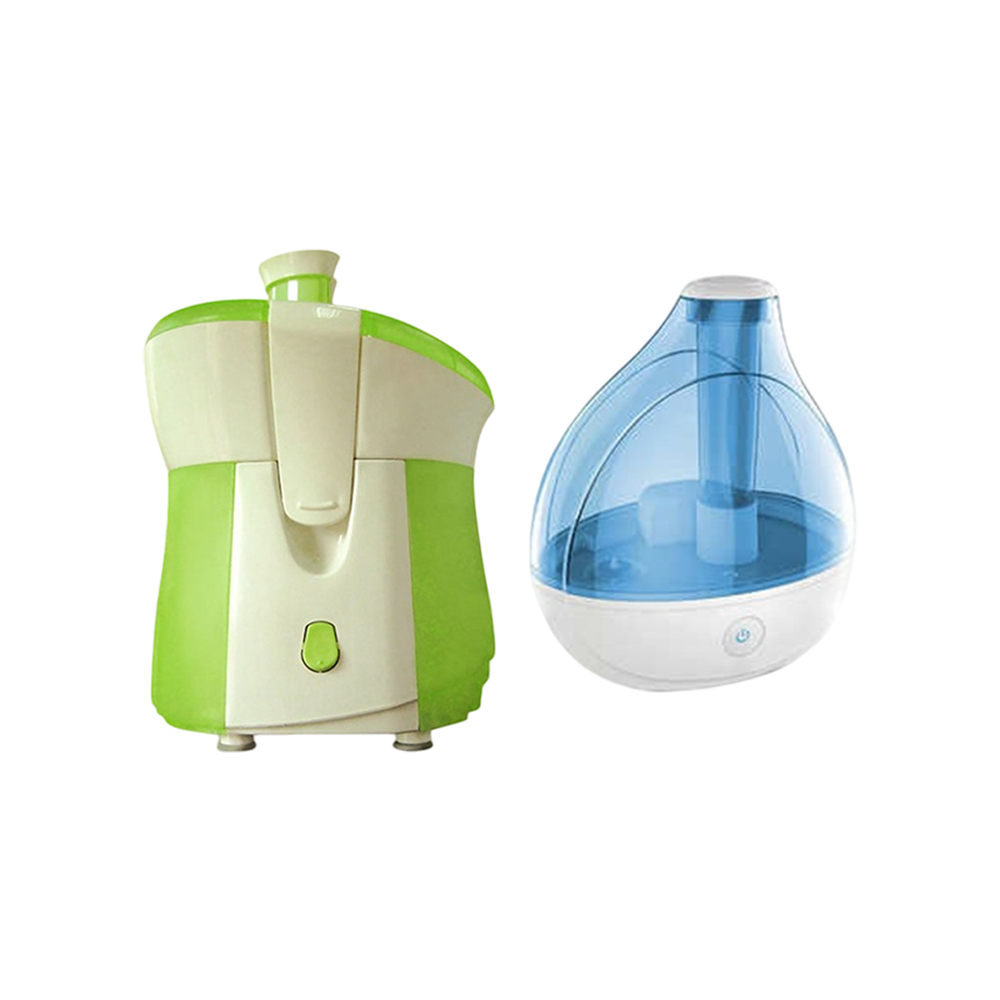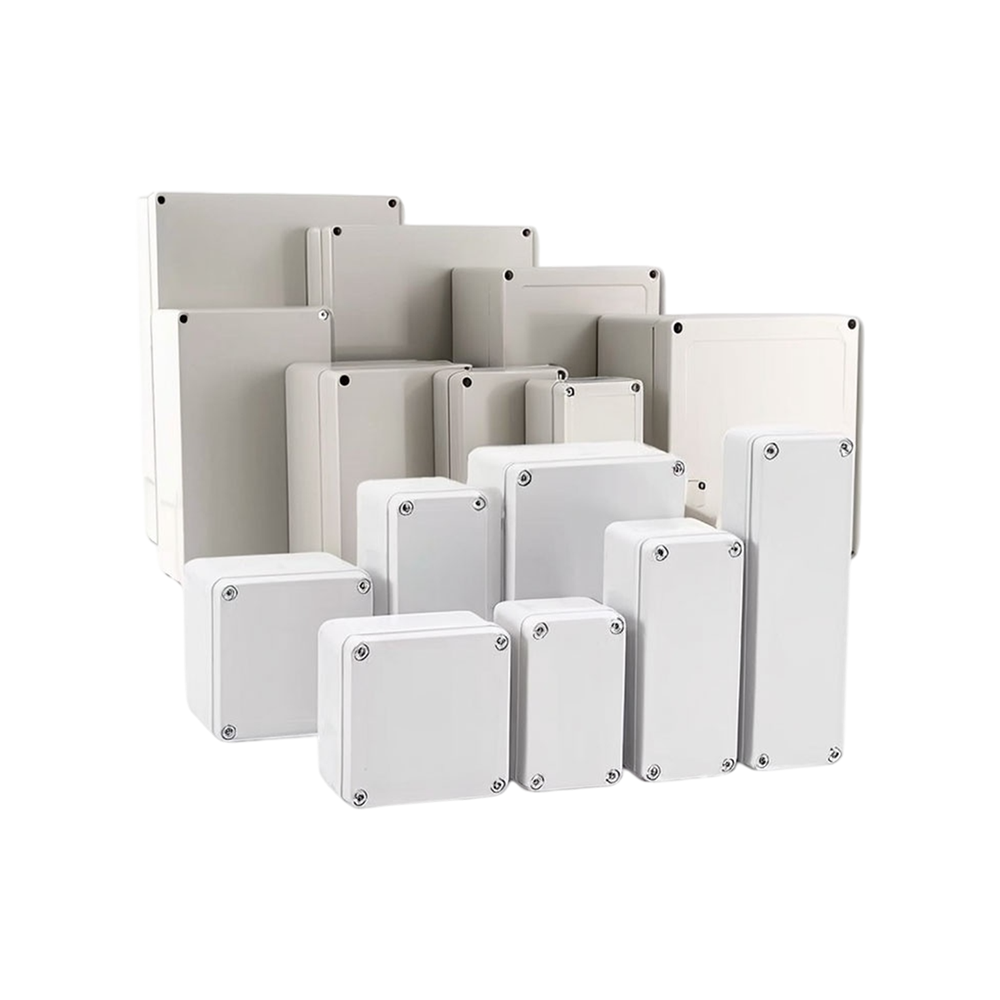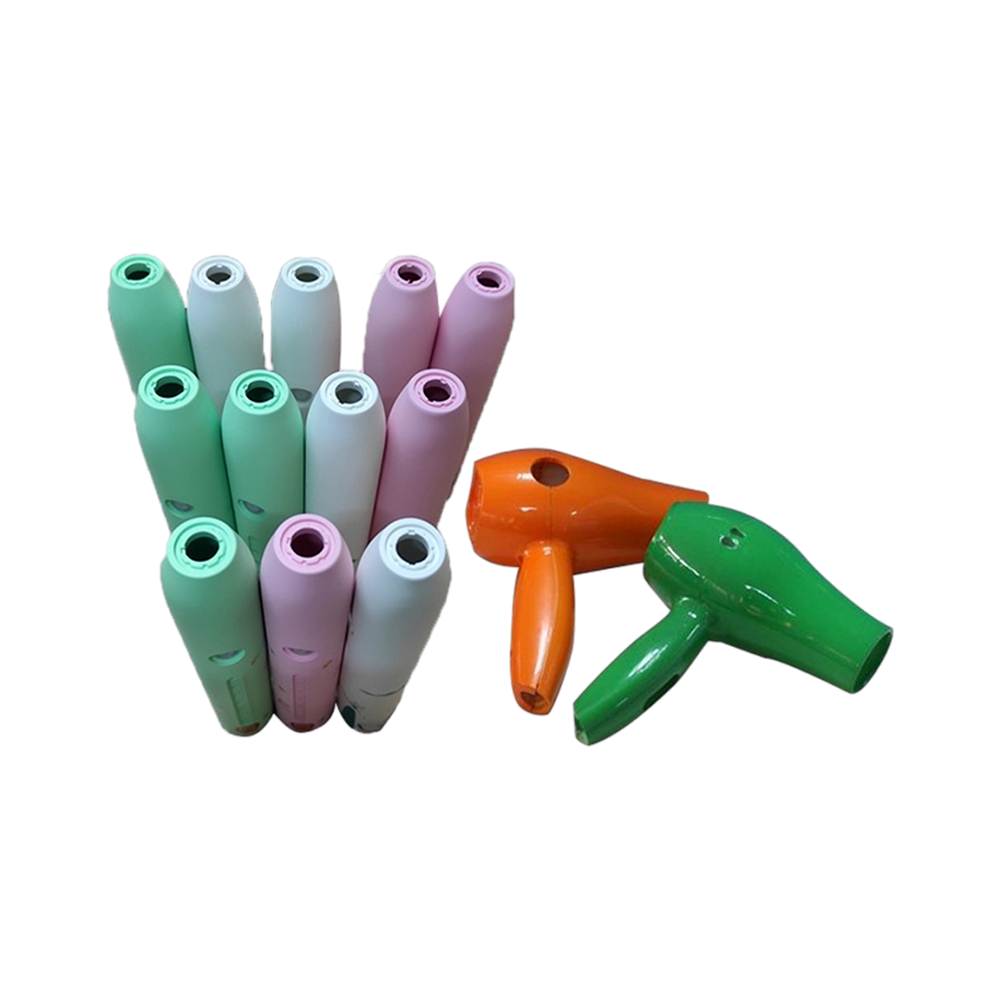
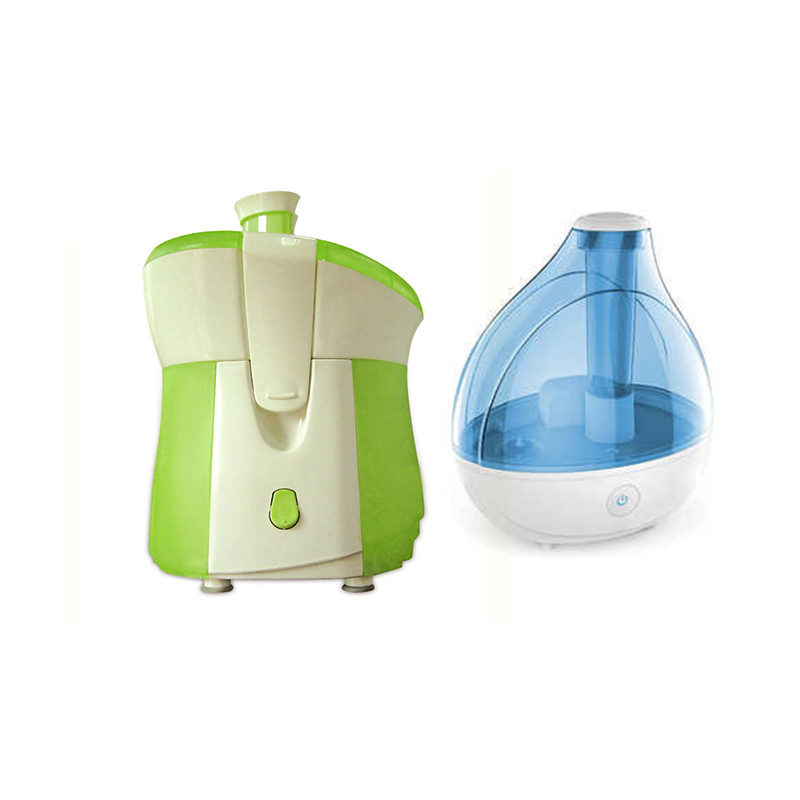
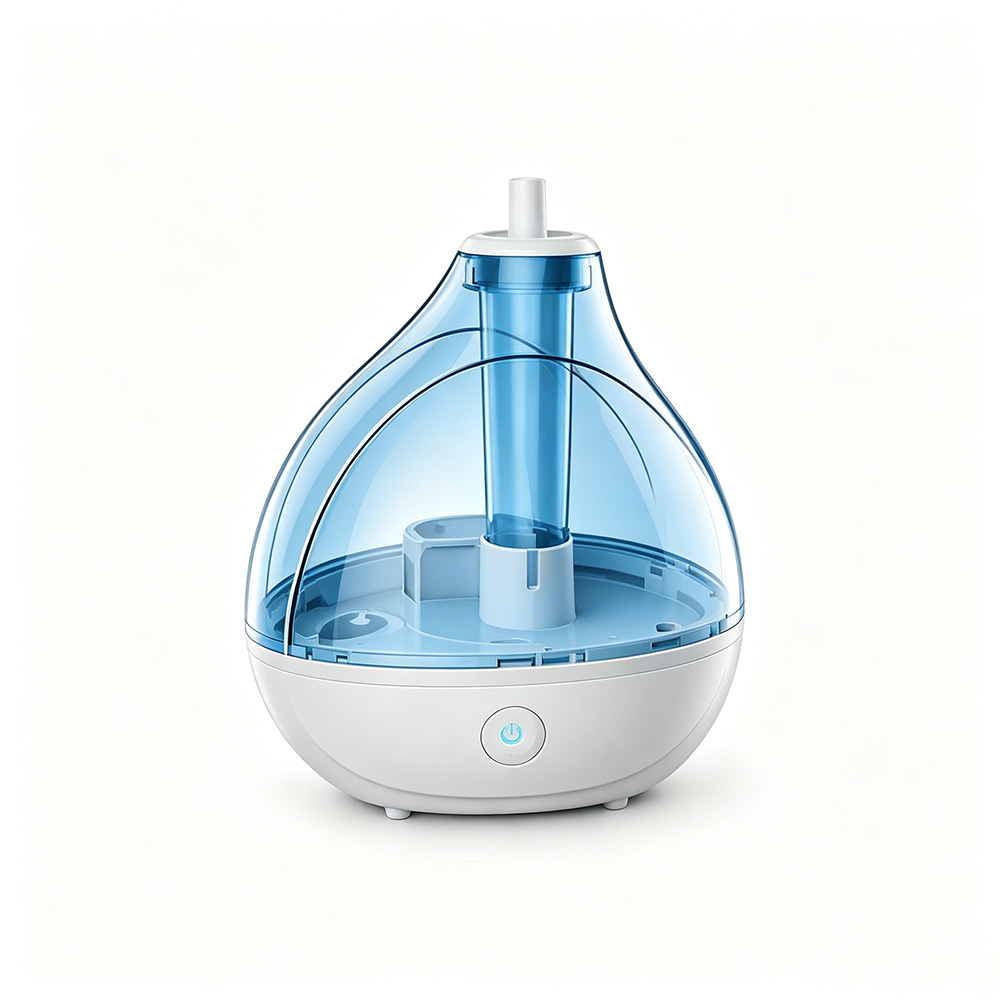
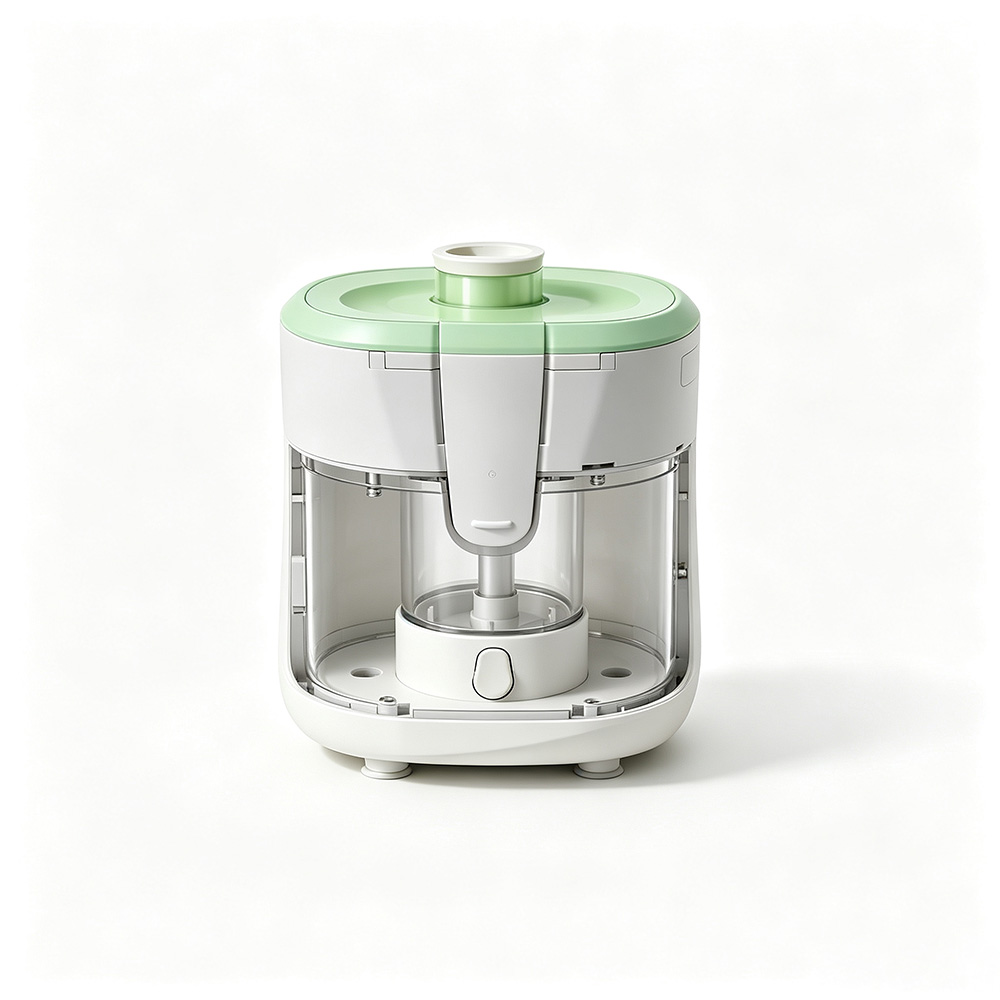
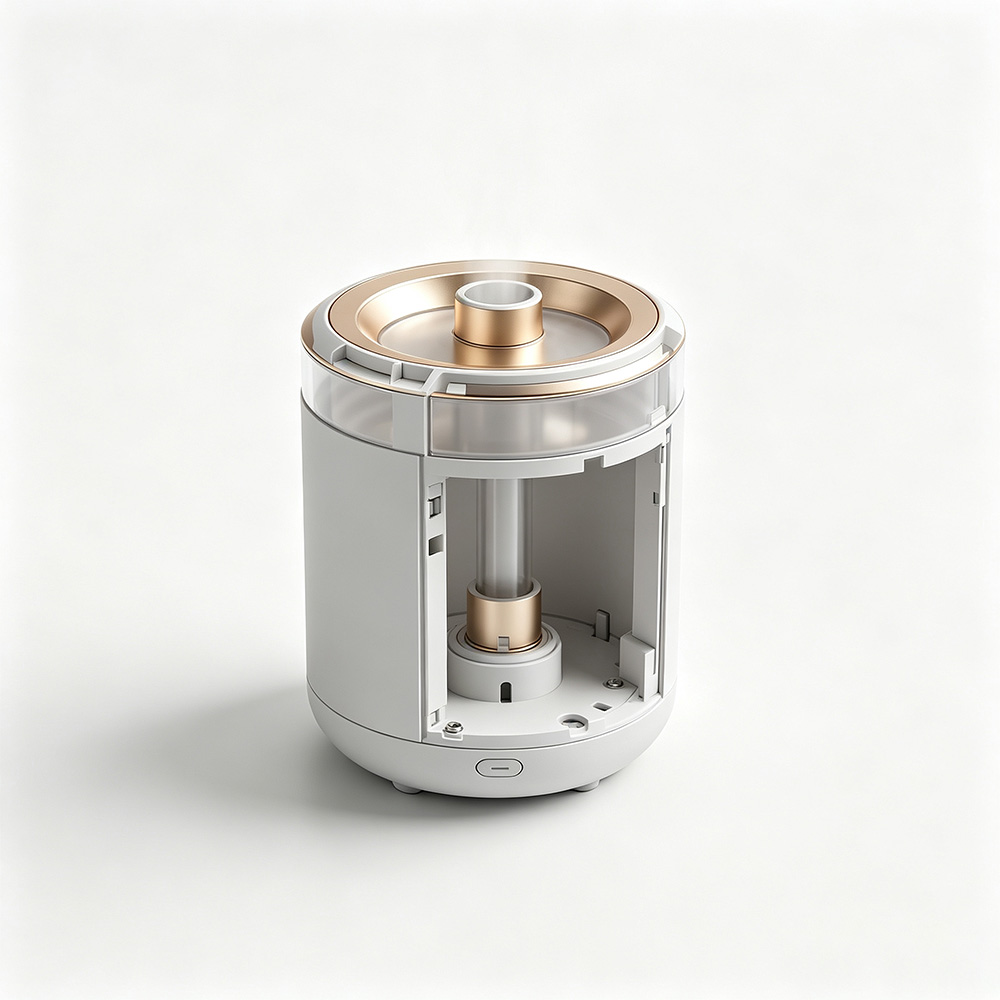
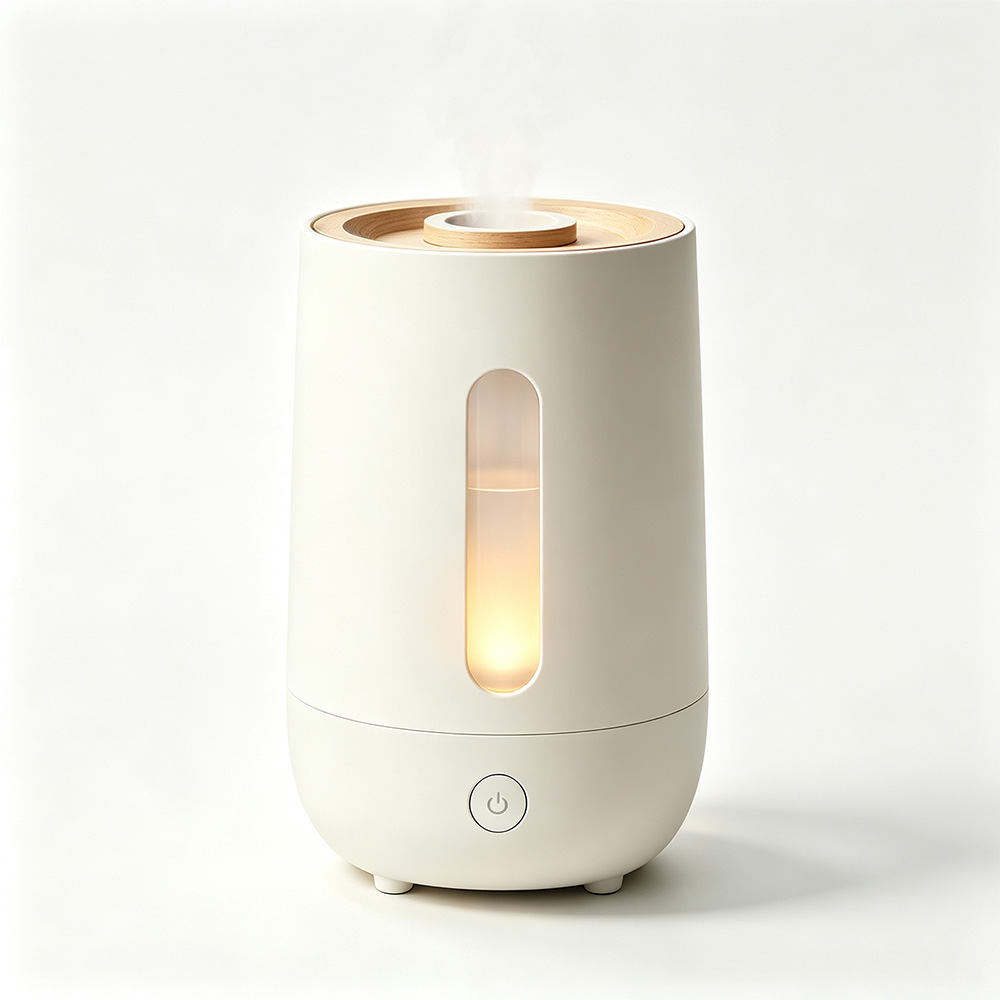
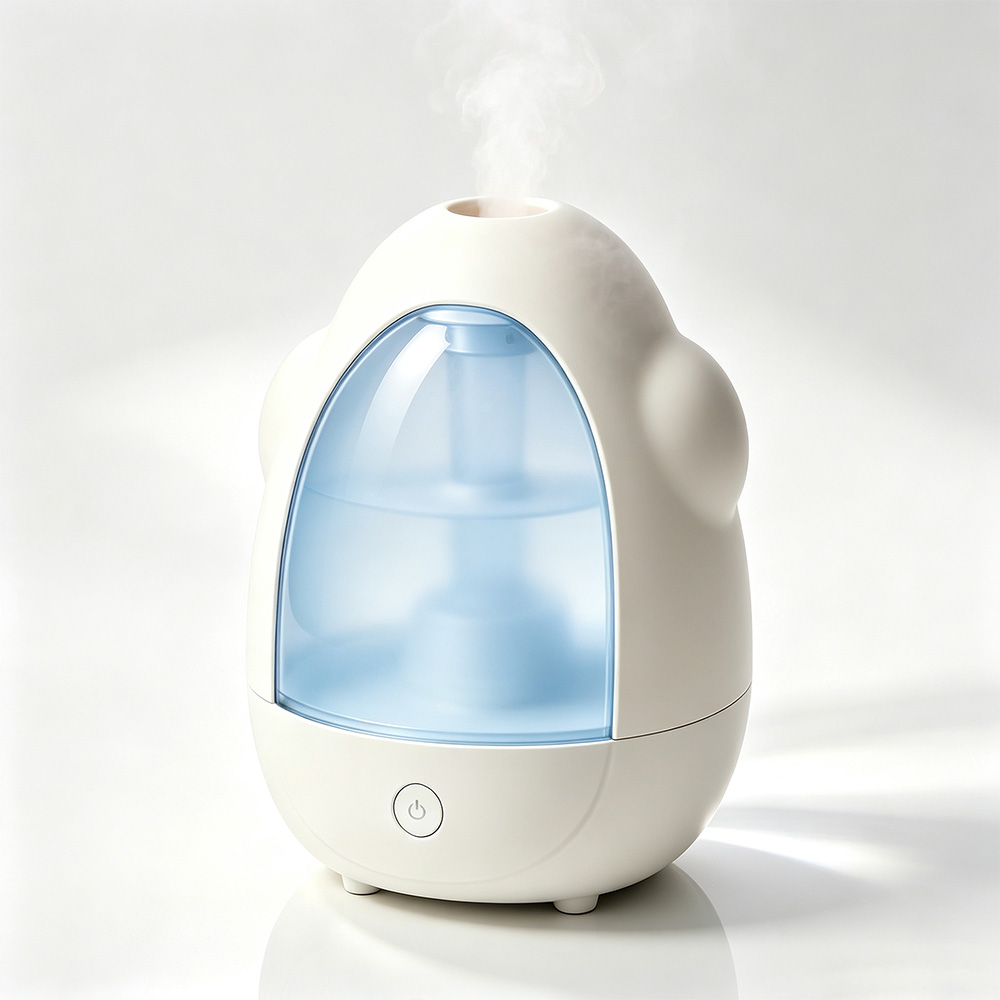
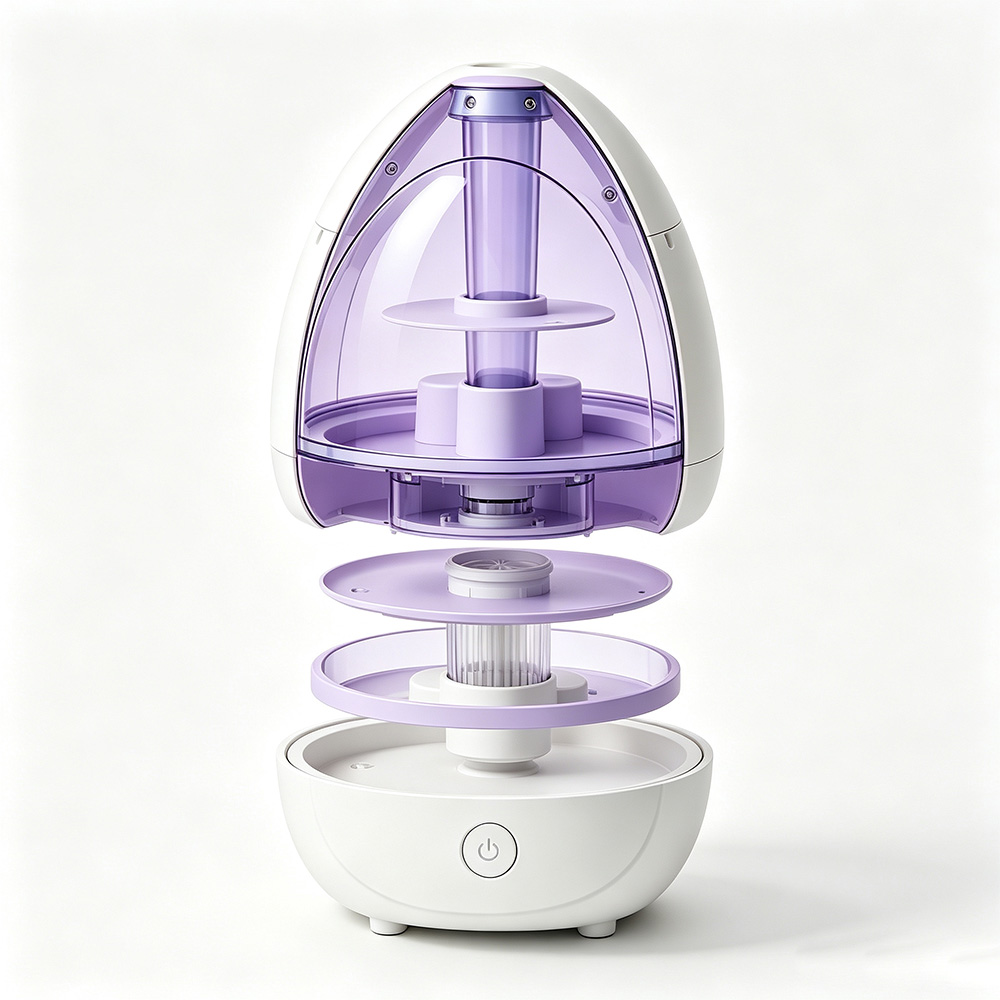
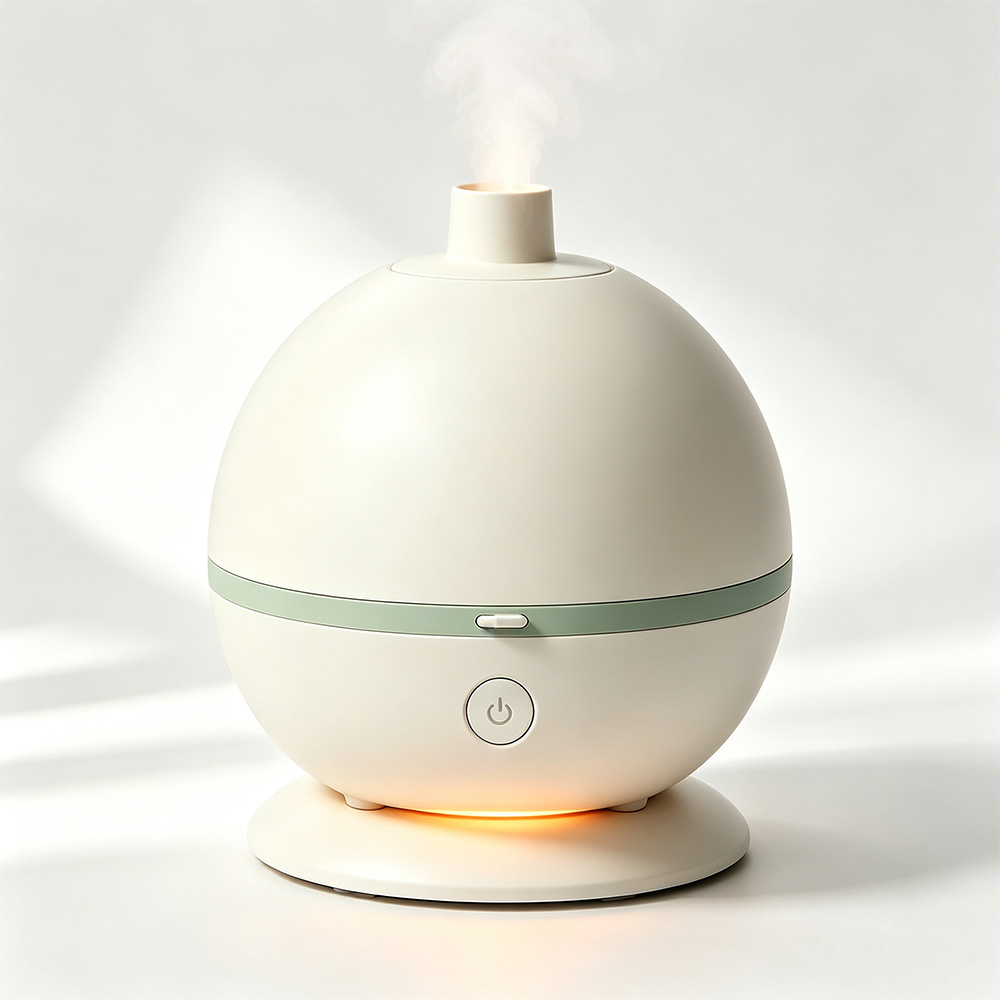
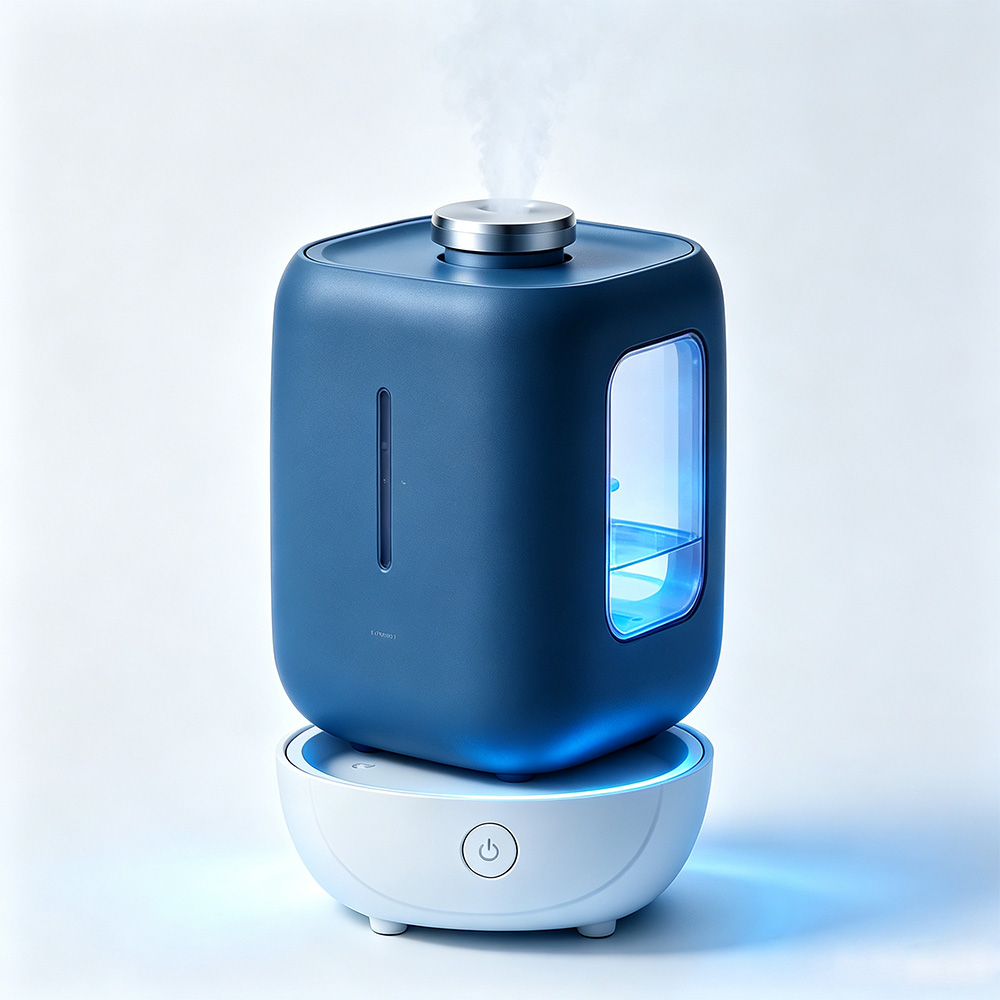
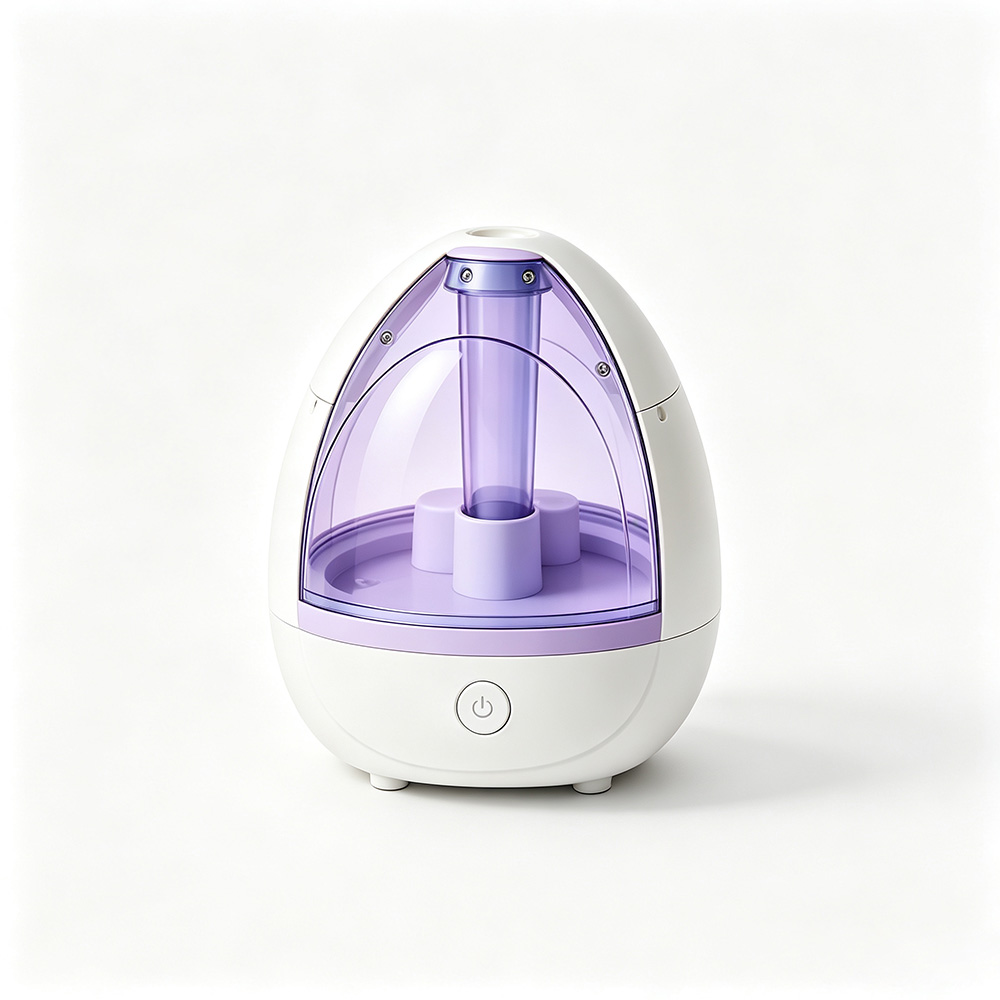
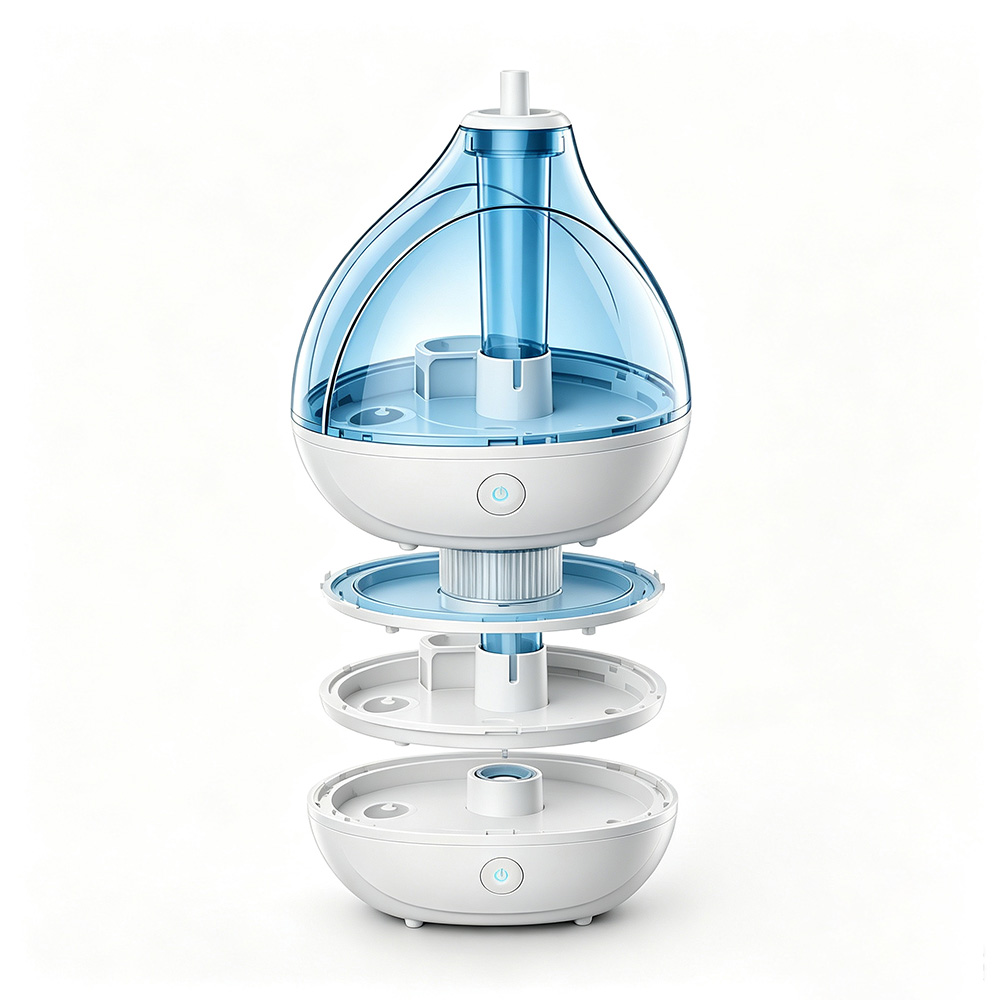
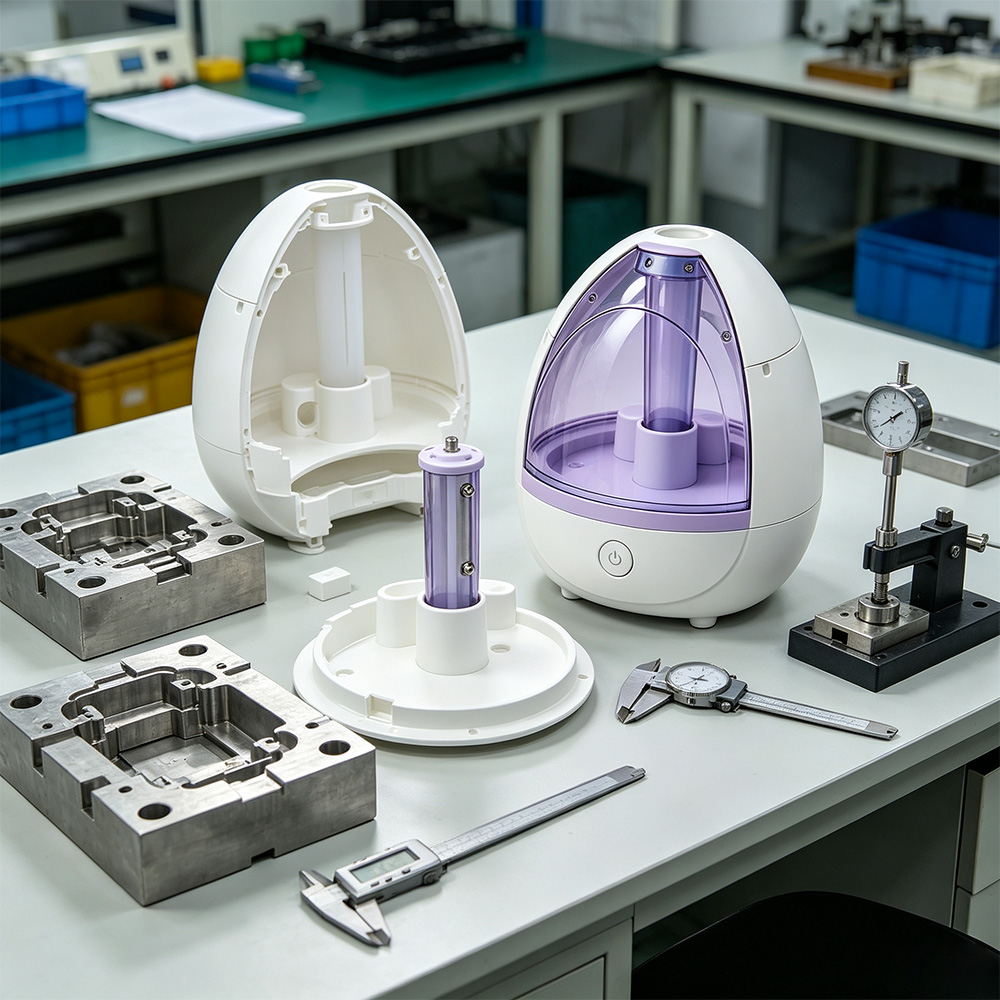
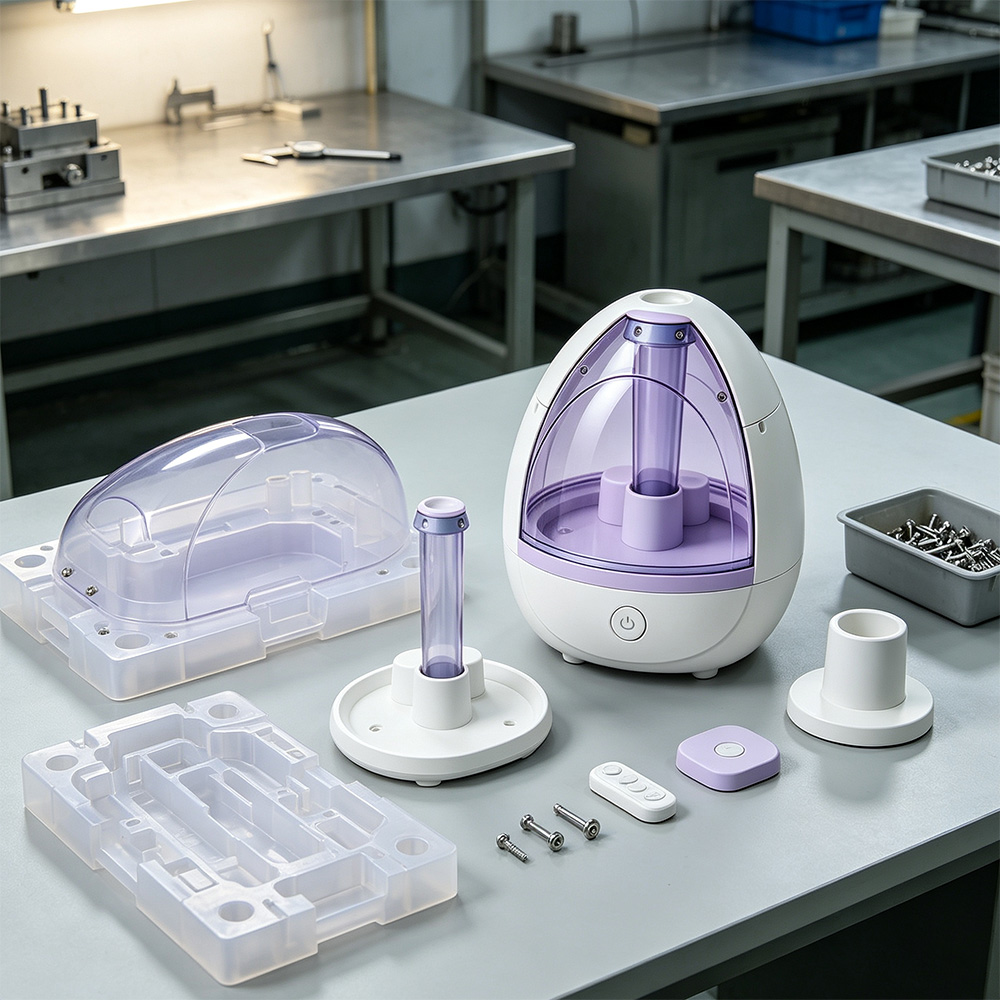
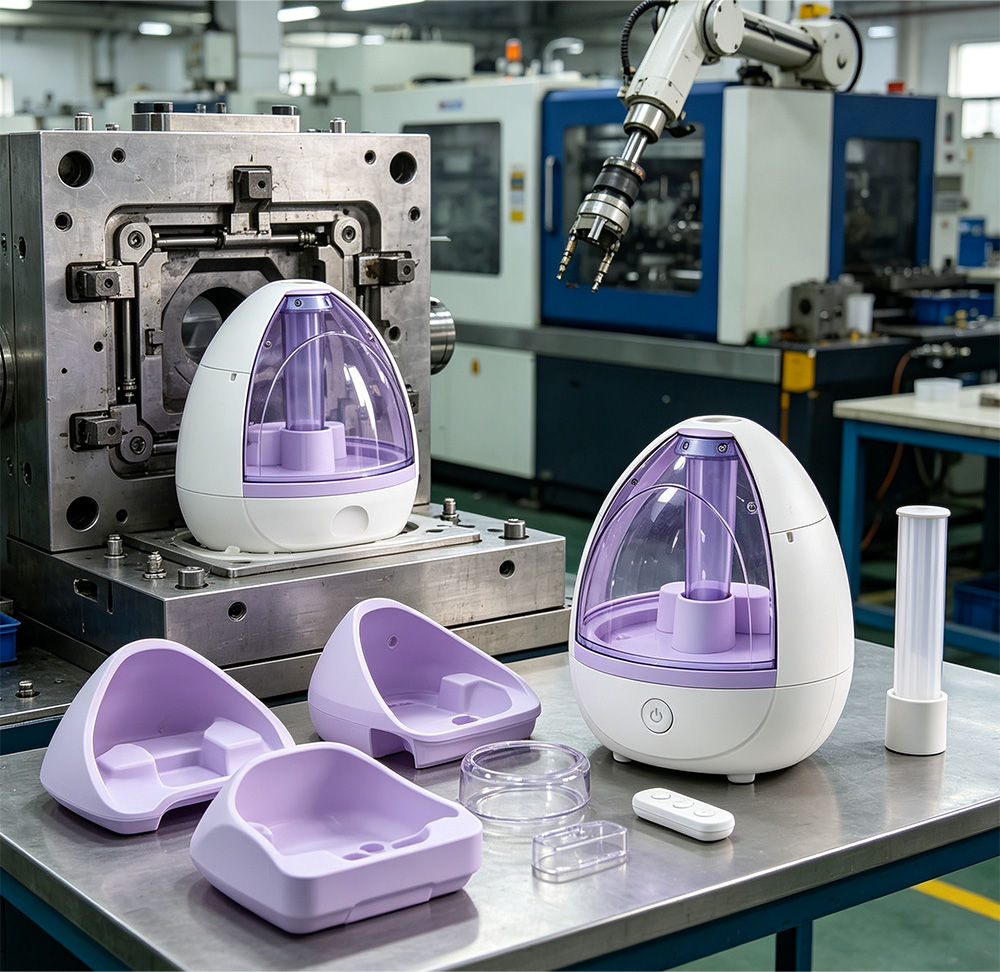
We adopt premium ABS, PP and PC materials for humidifier housings. Precision mold machining handles complex curved surfaces, snap-fit structures and transparent water tank parts, achieving clean parting lines, tight assembly tolerance and reliable waterproof performance.
Strict control over injection pressure, temperature and cooling cycle to prevent shrinkage, warpage and surface defects. Special care for transparent part clarity and snap-fit dimensional stability. Batch sampling inspection is implemented before mass production.
In-house mold and injection workshops with experienced engineering & technical teams. One-stop solution covering mold development, injection molding and post-treatment. Support humidifier shell customization from prototype sample to mass production.
| Humidifier Plastic Mold — Material, Processing & Maintenance | ||
| Item | Details | Tip / Note |
| I. Mold Steel Selection | ||
| Mold steel | Common options: P20 / 718 / NAK80 / S136 | P20 and 718 are great for mass production; S136 and NAK80 work best for glossy, corrosion-resistant surfaces. |
| Mold base | Standard mold bases (e.g. LKM, Futaba) | Easy to source, shorter lead time, very stable structure. |
| Hardness | Heat-treated to about HRC 45–52 depending on the steel | Keeps the mold tough and long-lasting for repeated runs. |
| How we pick | We choose the steel by output volume, surface finish, and whether the shell uses transparent or flame-retardant material | Transparent parts need polished steel to keep clarity; fiberglass-filled resin needs extra wear-resistant steel. |
| II. Mold Processing | ||
| Process flow | Design → stock prep → CNC roughing → heat treatment → CNC finishing → EDM → wire cutting → polishing → assembly → trial molding | Everything in-house, so we control quality at every step. |
| Equipment | CNC machining center, EDM, wire cutting, grinder, milling machine | In-house equipment gives better precision and stability. |
| Key structures | Parting line accuracy, snap-fits, sliders / lifters / core-pulls, cooling channels, polished cavity for transparent parts | These decide molding quality, assembly fit and surface finish. |
| III. Mold Maintenance | ||
| Daily care | Clean, rust-proof, and lubricate guide pins/bushings after each run | Prevents corrosion and keeps parts moving smoothly. |
| Regular upkeep | Check parting line wear, polish the cavity, replace wear parts (ejector pins, springs, inserts) | Keeps the mold precise and the shells consistent, especially transparent ones. |
| Storage | Rust-prevent oil, moisture-proof, labeled storage | Helps the mold last much longer. |
| Modification | We adjust based on trial/production issues and support re-modification | More flexible for you, better end result. |
| Humidifier Plastic Housing — Material & Processing | ||
| Item | Details | Tip / Note |
| I. Housing Material | ||
| ABS | Good impact resistance, easy to mold, lower cost | A solid general choice for the main body. |
| PP | Lightweight, good chemical resistance | Often used for the water tank or inner parts. |
| PC | High strength and heat resistance, transparent option available | Good for transparent tanks or parts that need extra toughness. |
| PETG | Clear, tough, food-contact safe | Nice option for clear water tanks. |
| Flame retardant | UL94 V-0 / V-2 ratings available | We recommend V-0 for the electrical parts to stay safe and compliant. |
| II. Processing | ||
| Injection molding | Housing body formed in one injection molding process | Fast, precise, and perfect for volume orders. |
| CNC post-processing | Drilling, slotting, port cut-outs, tapping | Handles all your assembly and interface needs. |
| Surface treatment | Texture / grain, painting, silk-screen, laser marking | Better feel, nicer finish, and clean branding. |
| Processing challenges | Uniform wall thickness, anti-shrinkage, transparent part clarity, snap-fit fit tolerance, sealing for water parts | We focus on avoiding shrinkage, warpage and leakage for a clean, reliable result. |

Phone No. : +86 013713636553(Mr.Hu)
Whatsapp : +86 018929368237
E-mail: szxinbaoxin@gmail.com
Website: https://xbxsz.en.alibaba.com
Add: Building 9, Century Industrial Park, Pinghu Street, Longgang, Shenzhen,China